How to Stop a Sheriff Sale in Pennsylvania: 7 Options and Deadlines
Facing a sheriff sale in Pennsylvania? Learn the deadlines that matter, how to postpone or stop the sale, local Allegheny County help, and how to sell first and keep your equity.
DealMate
November 3, 2026 · 8 min read

If a handbill just showed up on your front door with a sheriff sale date on it, you are not out of options yet. Pennsylvania gives homeowners more chances to stop a sale than most people realize, but almost every one of them runs on a deadline. This guide walks through what each notice means, the options that can still stop or postpone the sale, and what to do if keeping the house isn't realistic.
This article is general information, not legal advice. If your sale is less than 30 days away, call a foreclosure attorney or a free housing counselor today.
How a sheriff sale happens in Pennsylvania
Pennsylvania is a judicial foreclosure state. That means your lender has to sue you in the county Court of Common Pleas and win a judgment before the county sheriff can auction the property. The steps usually run in this order:
- Act 6 and Act 91 notices. Before filing suit, the lender must send a notice of intent to foreclose at least 30 days in advance (Act 6). For most owner-occupied homes, lenders send a combined notice that also explains Pennsylvania's emergency mortgage assistance program (Act 91).
- Foreclosure complaint. The lender files suit. You typically have 20 days to respond after you are served.
- Judgment. If you don't respond, the lender can get a default judgment after giving you at least 10 days' notice.
- Notice of sheriff sale. A handbill is posted on the property and served on you at least 30 days before the sale, and the sale is advertised in local papers.
- Sheriff sale. The property is auctioned. In Pennsylvania there is generally no right to buy the home back after a mortgage foreclosure sale, so the sale date is the real finish line.
The practical takeaway: the earlier you act, the more options you have. But even close to the sale date, some doors are still open.
7 ways to stop or postpone a sheriff sale
1. Answer the Act 91 notice within 33 days
The Act 91 notice gives you the right to apply for the Homeowner's Emergency Mortgage Assistance Program (HEMAP), run by the Pennsylvania Housing Finance Agency. To apply, you must have a face-to-face meeting with an approved counseling agency within 33 days of the notice date. While you go through that process, foreclosure is temporarily paused. HEMAP is designed for people who fell behind because of a hardship they didn't cause and who can show they'll be able to resume payments. If you're early in the process, this is often the strongest move available.
2. Use Allegheny County's "Save Your Home" program
If your home is in Allegheny County, the Sheriff's Office and the Court of Common Pleas run a Mortgage Assistance Program that can provide a 90-day stay of sheriff sale proceedings for residents who agree to counseling and a court-supervised conciliation conference with the lender. A housing counselor determines eligibility and works with you free of charge. Call the Save Your Home hotline at 1-866-298-8020. The Sheriff's Office also runs a Mortgage Foreclosure Hotline at 412-350-4704 with information about your specific case (weekdays, 9–11 a.m. and 1–3 p.m.). Other counties, including Philadelphia, run their own conciliation programs.
3. Submit a complete loss mitigation application more than 37 days before the sale
Under federal mortgage servicing rules, if your servicer receives a complete loss mitigation application (for a modification, repayment plan, forbearance, short sale and so on) more than 37 days before the scheduled sale, it generally has to evaluate it and respond in writing before the sale goes forward. The key word is complete. Ask your servicer in writing what's missing, keep copies of everything, and note the date they receive it.
4. Reinstate the loan
Pennsylvania law gives borrowers the right to cure the default by paying the past-due amount plus allowed fees and costs. That right generally runs until one hour before bidding starts at the sheriff sale. Ask your servicer for a written reinstatement quote. If family help, a 401(k) hardship withdrawal or a tax refund can cover it, reinstatement puts the loan back in good standing.
5. File Chapter 13 bankruptcy
Filing a bankruptcy petition triggers an automatic stay that halts the sale, even if it's scheduled for the next morning. Chapter 13 then lets you catch up on the missed payments over a three-to-five-year plan while you keep paying the regular mortgage. It is a serious step with long-term credit consequences, and missing plan payments can get the case dismissed. Talk to a bankruptcy attorney before you rely on it.
6. Ask for a postponement
Lenders sometimes agree to postpone a sale, especially when there's a concrete plan on the table, such as a pending modification, a refinance commitment, or a signed agreement to sell the home. Courts can also postpone sales in some situations. A postponement only buys time, so it's most useful when you already know what you'll do with that time.
7. Sell the house before the sale date
If you have equity, selling before the auction is often the move that protects you most. The sale pays off the mortgage at closing, the foreclosure ends, and whatever equity is left goes to you instead of being lost at an auction where properties often sell for far less than market value. If you owe more than the home is worth, a short sale (with lender approval) can still be better than a completed foreclosure.
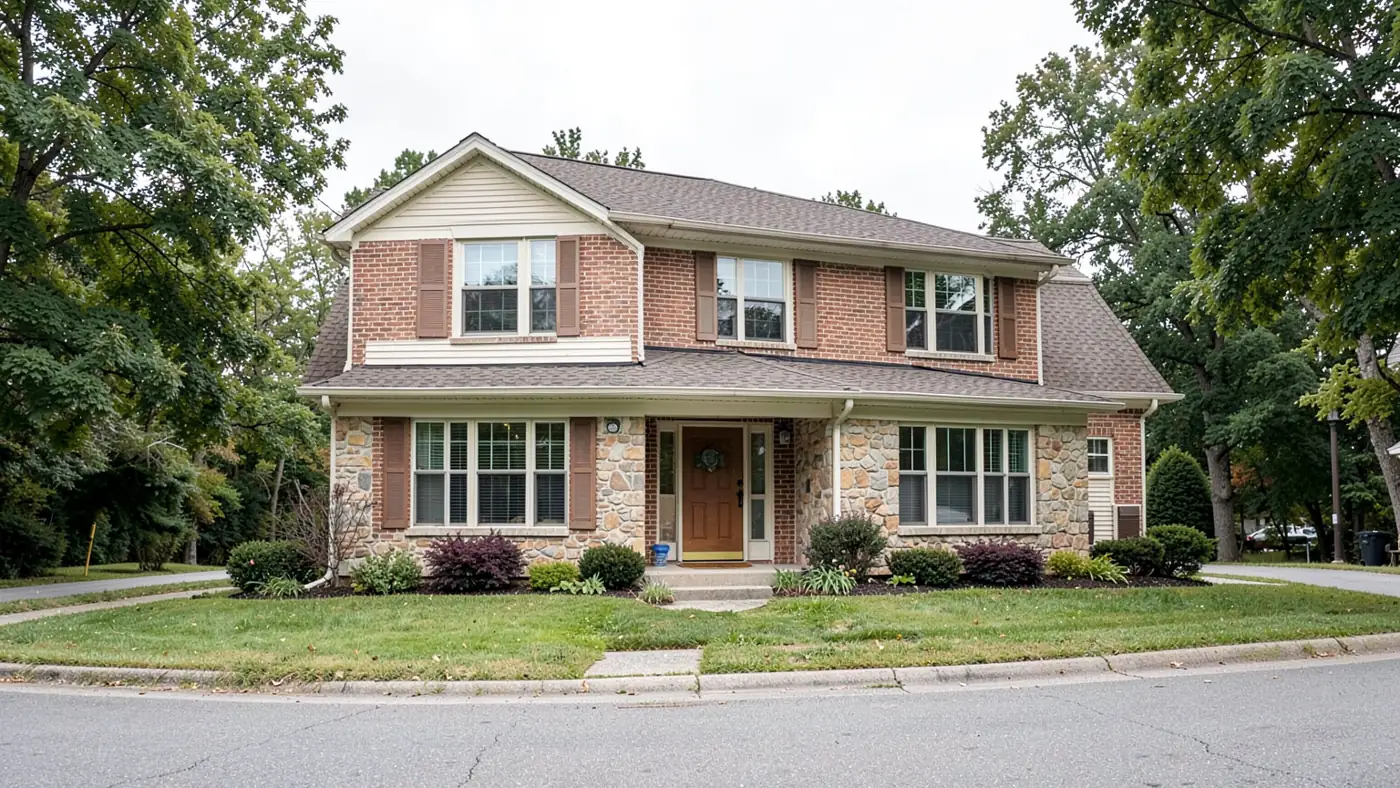
Why selling before the auction can beat waiting it out
At a sheriff sale, buyers bid on a property they usually can't inspect, with cash, under deadline. That pushes prices down. If the winning bid is low, you lose equity you spent years building, and a completed foreclosure stays on your credit history.
A sale you control works differently:
- You set the price based on what the home is actually worth.
- The mortgage is paid off at closing, and the foreclosure case ends.
- You keep the remaining equity to put toward your next place.
- You choose the move-out timing, instead of facing a notice to leave after the sale.
The catch is time. A traditional listing in today's market typically spends around two months on market before you even start the closing process, which may not fit a sale that is 30 or 45 days out. That's where an off-market sale to a verified buyer can help.
How DealMate fits if you need to sell before the sheriff sale
DealMate is a Pittsburgh-based marketplace that matches sellers directly with verified buyers. You list your property free, set your price, and get matched with buyers who already agree to that price, with no seller commission and no negotiation back-and-forth. Homes can be listed as-is, which matters when there's no time or money for repairs.
If you're facing a sale date, tell your servicer and your counselor or attorney as soon as you have a signed agreement of sale. It can support a request to postpone while the closing is completed.
Watch out for foreclosure rescue scams
The weeks before a sheriff sale are when scam mailers peak, because foreclosure filings are public. Federal rules ban mortgage relief companies from charging fees until you have a written offer from your lender that you accept. Red flags include upfront fees, guarantees that they can stop the sale, advice to stop talking to your lender, and any request to sign over your deed. Free help is available from HUD-approved counselors at 1-800-569-4287.
Your sheriff sale checklist
- Find the exact sale date on the handbill or the sheriff's sale list.
- Call a HUD-approved counselor (1-800-569-4287) or, in Allegheny County, the Save Your Home hotline (1-866-298-8020).
- Request a written reinstatement quote and payoff from your servicer.
- Submit a complete loss mitigation application if the sale is more than 37 days away.
- Talk to a foreclosure or bankruptcy attorney if the sale is close.
- Get a realistic value for your home so you know whether you have equity to protect.
- If selling is the right move, list it now so you have a signed agreement before the sale date.
FAQ
Can I stop a sheriff sale the day before? Possibly. Filing a bankruptcy petition triggers an automatic stay immediately, and Pennsylvania's right to cure generally runs until one hour before bidding. Both require acting fast and getting professional advice.
Can I get my house back after a sheriff sale in Pennsylvania? Generally no. Pennsylvania doesn't give homeowners a statutory right to redeem after a mortgage foreclosure sale, so it's critical to act before the sale date.
Can I sell my house if a sheriff sale is already scheduled? Yes. You still own the home until the sale. A sale that closes before the auction pays off the lender and ends the foreclosure. Tell your lender once you have a signed agreement, since it may support a postponement.
Does a sheriff sale hurt my credit more than selling? A completed foreclosure is one of the most damaging items on a credit report. Selling the home and paying the loan in full avoids the foreclosure itself, though any late payments already reported remain.
The bottom line
A sheriff sale date is serious, but it isn't the end until the gavel falls. Use the free programs first, protect your deadlines, and if keeping the home isn't realistic, sell on your terms before the auction decides the price for you. When you're ready, list your property on DealMate for free and see which verified buyers match your price.