How to Sell a House As-Is: Repairs, Disclosures, Pricing and Buyers
House needs too many repairs to sell the usual way? Learn what selling as-is really means, what you still must disclose, how to price it, and who buys homes in any condition.
DealMate
September 18, 2026 · 6 min read
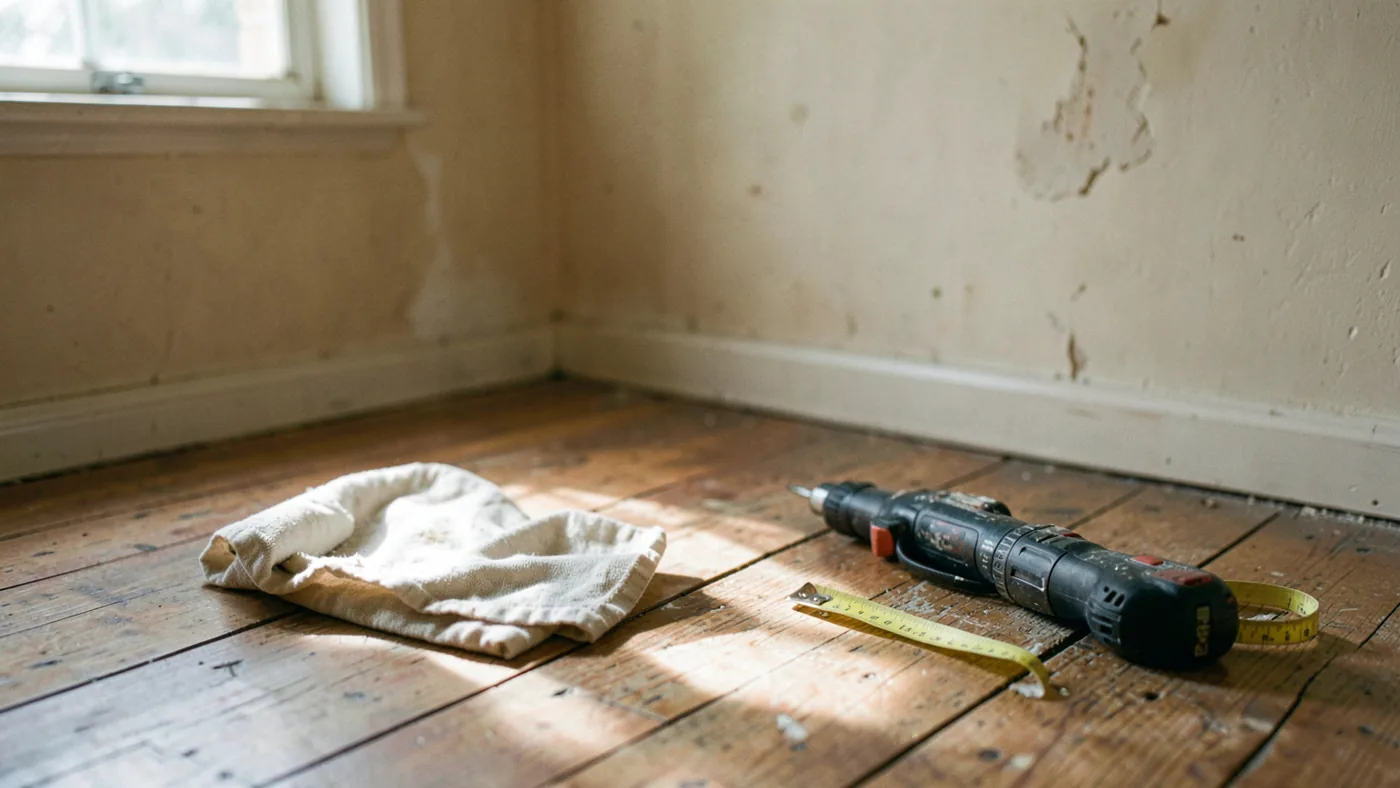
Some houses need a new roof. Some need a new everything. Whether it's an outdated kitchen, a failing foundation, fire or water damage, code violations, or a home that's been filled to the ceiling for years, there comes a point where fixing it up to sell just doesn't make sense.
The good news: you can sell a house in almost any condition. This guide explains what "as-is" really means, the legal duties you still have, how to price a home that needs work, and who actually buys these properties.
What "as-is" really means
Selling as-is means you won't make repairs or give repair credits, and the buyer accepts the property in its current condition. It does not mean:
- You can hide known problems. Most states require sellers of residential property to disclose known material defects. Pennsylvania, for example, requires a seller's property disclosure statement for most residential sales. Selling as-is doesn't erase that duty.
- The buyer can't inspect. Many buyers will still inspect, even if they've agreed not to ask for repairs.
- Anything goes on price. An as-is house still has a fair value. Your job is to find it.
Disclose honestly and in writing. It protects you from legal claims after closing, and it attracts buyers who are comfortable with the work, so the deal is less likely to fall apart.
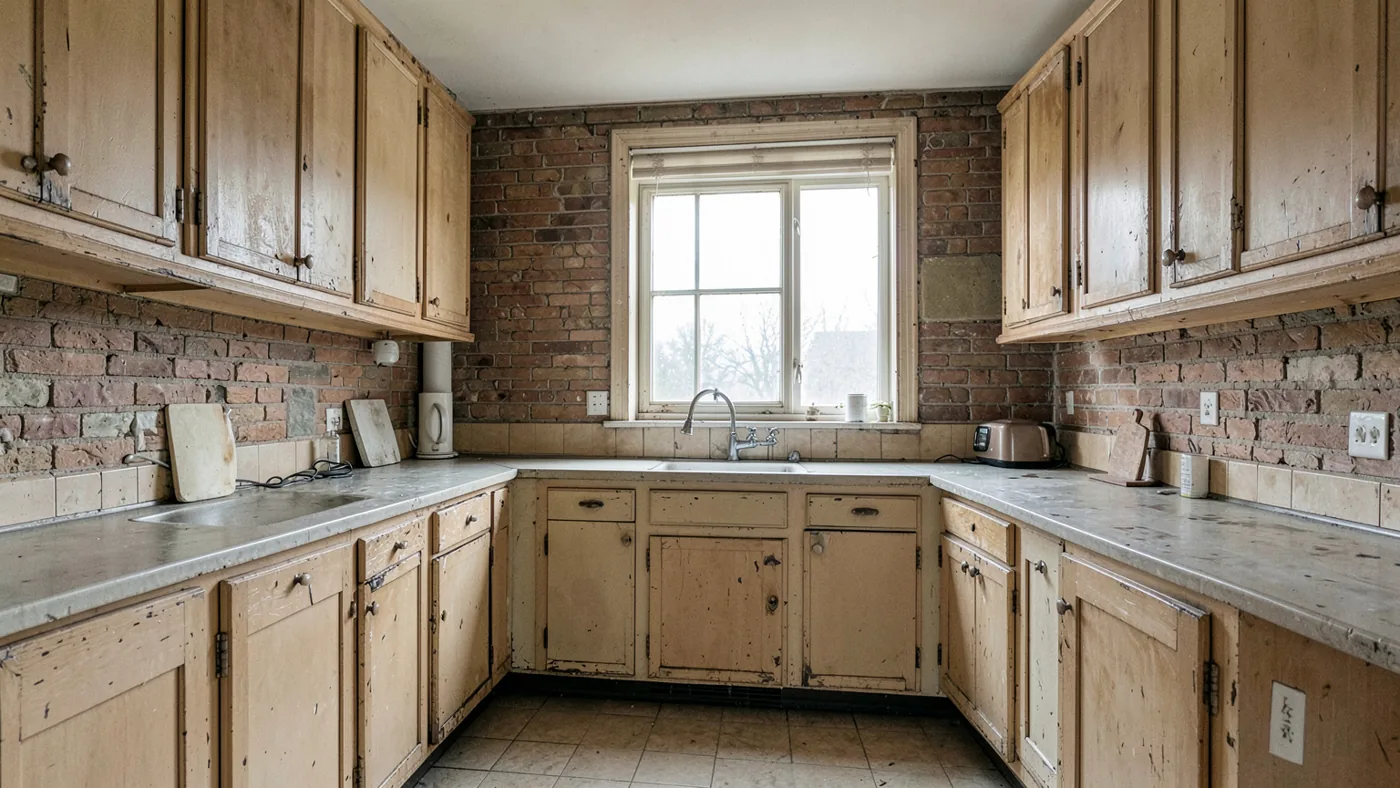
Should you repair or sell as-is?
Some repairs pay for themselves. Most big ones don't, especially when you add time, carrying costs and the risk of surprises once walls are opened. A simple way to decide:
| Repair type | Usually worth doing before selling? |
|---|---|
| Cleaning, trash removal, yard cleanup | Often yes, if you can do it cheaply |
| Small fixes (leaky faucet, broken outlet covers, doors that stick) | Often yes |
| Fresh neutral paint | Sometimes, if the rest of the house is in good shape |
| Roof, HVAC, foundation, sewer line | Often no, if cash or time is tight |
| Full kitchen or bath remodel | Rarely, since you seldom get the full cost back |
| Fire, flood or mold remediation | Get a professional estimate first; usually sell as-is if you can't fund it |
Ask yourself three questions: Do I have the cash to finish the job? Do I have the time to manage contractors? And will the higher price cover the repair cost plus months of mortgage, taxes, insurance and utilities while the work gets done? If any answer is no, selling as-is is usually the better move.
Common as-is situations
- Major system failures. Roof, foundation, electrical or plumbing problems that scare off financed buyers, whose lenders may require repairs before approving the loan.
- Fire or water damage. Check your insurance claim status first. Ask your insurer and attorney how a sale affects any open claim.
- Code violations or open permits. Unpermitted work or municipal citations can complicate a sale. Get copies of the violations from your municipality so buyers can price them in. Some municipalities require inspections or a certificate before transfer.
- Hoarder or cluttered homes. You don't have to clear everything. Remove what you want to keep and agree with the buyer on what stays.
- Long-time rentals worn down by tenants. See our guide to rental-grade repairs vs. selling.
- Inherited homes that haven't been updated in decades. See how to sell an inherited house.
How to price a house that needs work
Investor buyers work backward from what the home will be worth after repairs. A simplified version of the math:
After-repair value − repair costs − buyer's holding and selling costs − buyer's profit = what a buyer can pay
To set a realistic price:
- Find the after-repair value. Look at recent sales of similar, updated homes nearby.
- Get rough repair estimates for the big items. Even one or two contractor quotes make your price far more credible.
- Compare as-is sales. Look for recent sales of homes in similar condition in your area.
- Set a price you're comfortable with, knowing serious buyers will run the same math.
Who buys houses as-is?
- Cash investors and flippers, who expect to renovate and price accordingly.
- Landlords looking for rental properties they can bring up to rental-grade standards.
- Contractors and handy buyers who can do the work themselves.
- Owner-occupants with renovation loans, though their financing can add time and inspection requirements.
The problem for most sellers is reaching enough of these buyers without fielding a parade of lowball offers.
How DealMate makes as-is sales simpler
DealMate was built so condition doesn't hold your sale hostage. You list your property free, add photos, details and your price, and DealMate's matching connects you with verified buyers on price, location and condition. Buyers are only matched if they already agree to your price, so there's no haggling over every crack in the drywall after the fact. There's no seller commission, no staging, and no repairs required.
Be upfront in your listing. Clear photos and an honest description of the problems help the right buyers match to your price with confidence.
As-is selling checklist
- Write down every known defect for your disclosure statement.
- Gather repair estimates, inspection reports, permits and any violation notices.
- Get your mortgage payoff and check for liens.
- Research after-repair value and as-is sale prices nearby.
- Remove personal items and anything you want to keep.
- Take clear, honest photos, including the problem areas.
- List with an accurate description and a realistic price.
FAQ
Can I sell a house that needs major repairs? Yes. Cash buyers, investors and landlords regularly buy homes needing major work. Price it to reflect the repairs and disclose what you know.
Do I have to disclose problems if I sell as-is? In most states, yes. Selling as-is generally doesn't remove your duty to disclose known material defects. Check your state's disclosure rules.
Can I sell a house with code violations? Usually yes, but check with your municipality. Some require certain violations to be addressed or disclosed in a specific way before a sale.
Will I get less money selling as-is? The sale price is usually lower than for a renovated home, but you save repair costs, months of carrying costs and agent commissions. Compare what you'd actually net.
Can I sell a fire-damaged house? Yes, often to cash investors. Talk to your insurer before selling so you understand how a sale affects your claim.
The bottom line
You don't need to fix a house to sell it. You need an honest disclosure, a realistic price and the right buyers. List your property on DealMate free, in any condition, at the price you set.
Related reading: Tired Landlord? When Rental-Grade Repairs Stop Making Sense