Rental-Grade Flooring, Paint and Repairs vs. Selling Your Rental Property
Pricing rental-grade LVP, carpet and paint for another turnover? Learn what rental-grade really means, how to run the repair-vs-sell math, and how to sell a rental property with tenants.
DealMate
November 3, 2026 · 6 min read

If you're searching for the cheapest rental-grade flooring or paint, there's a good chance a tenant just moved out and left you a punch list. Maybe it's the third turnover in two years. Maybe the furnace is on borrowed time too.
This post covers both sides of that moment: how to do a rental-grade turnover without overspending, and how to tell when it's time to stop putting money into the property and sell it instead.
What "rental-grade" actually means
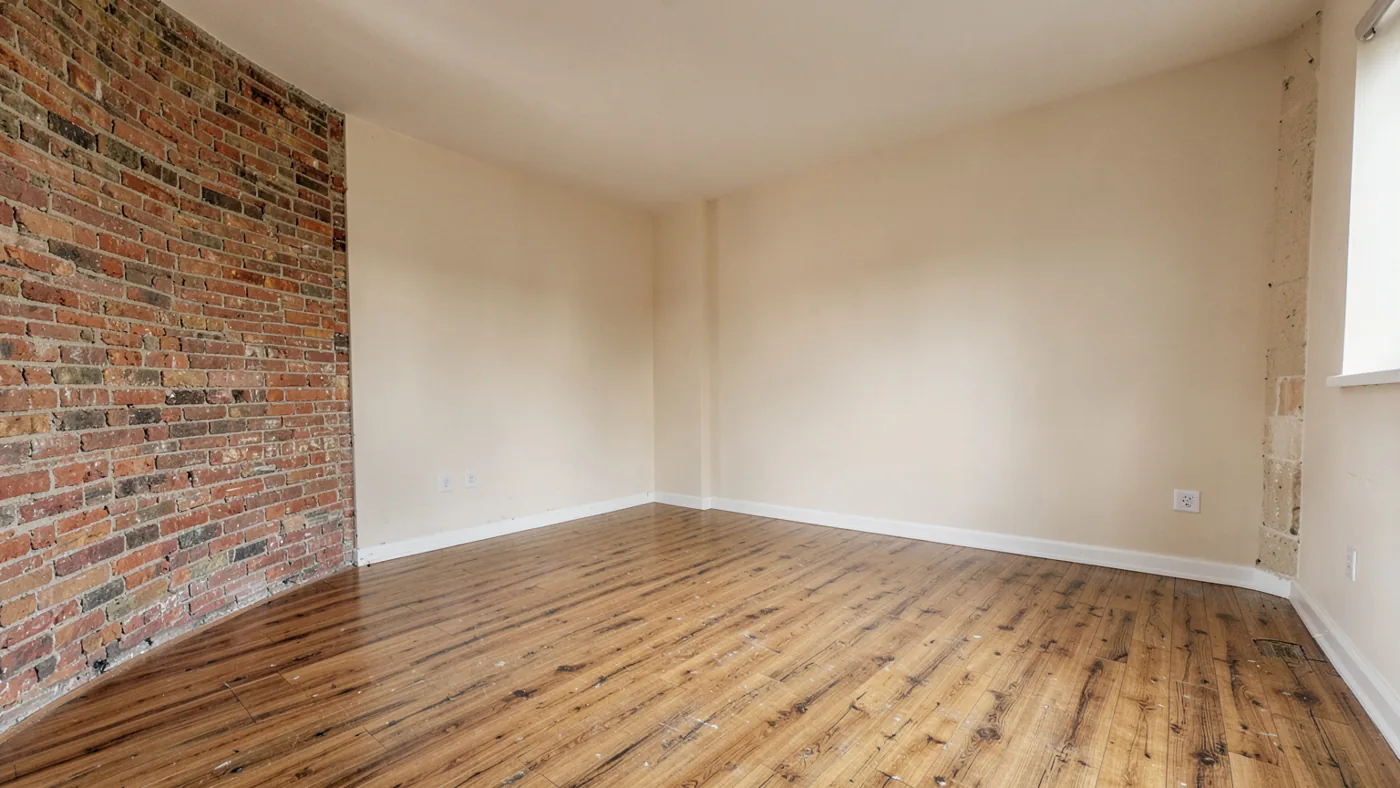
Rental-grade (sometimes called builder-grade) materials are chosen for durability, low cost and easy replacement, not looks. The goal is a unit that rents quickly, survives tenants, and can be patched rather than redone. Common choices:
- Flooring: Rigid-core or waterproof luxury vinyl plank (LVP) has largely replaced carpet in kitchens, baths and living areas because it handles spills and pets. Buy a thicker wear layer than the cheapest option and keep spare boxes so you can replace single planks later.
- Carpet: Low-pile, stain-resistant carpet in a neutral color, usually only in bedrooms, with a basic pad. It's cheap to install but often needs replacing every few tenancies.
- Paint: One neutral color and sheen across every unit, typically eggshell or satin on walls for washability. Standardizing means touch-ups match and you buy in bulk.
- Fixtures and hardware: Common, widely stocked faucets, lights and door hardware so replacements are available at any big-box store.
- Counters and appliances: Laminate counters and basic, widely serviced appliance models. Matching sets across units simplify parts and repairs.
A smart rental-grade standard keeps turnovers predictable. But even a perfectly standardized unit costs money every time it turns over, and that's where the real question starts.
The true cost of one turnover
Most landlords underestimate turnover because they only count materials. Add up everything:
| Cost | What to include |
|---|---|
| Vacancy | Every month empty = a full month of lost rent |
| Carrying costs while empty | Mortgage, taxes, insurance, utilities, HOA |
| Make-ready | Cleaning, paint, flooring, repairs, haul-away |
| Leasing | Listing fees, screening, showings, your time or a manager's fee |
| Big-ticket items coming due | Roof, HVAC, water heater, sewer line, windows |
| Your time | Weekends, calls, contractor coordination |
Run your own numbers. If one turnover plus a month or two of vacancy wipes out most of a year's cash flow, the property may be working harder for your tenants than for you.
7 signs it's time to sell the rental
- Your cash flow is thin or negative after realistic repair and vacancy reserves.
- A major capital expense is coming (roof, HVAC, foundation, sewer) that would take years of rent to recover.
- Turnovers are getting more expensive as the building ages.
- You're dealing with a problem tenant and dreading the eviction process.
- Local rules are tightening, adding inspections, registration or new compliance costs.
- Your equity is sitting idle. If the property has appreciated, that money might work harder elsewhere.
- You're simply done. Burnout is a legitimate reason. Your time has value.
Selling a rental property with tenants in place
You don't have to wait for a vacancy to sell. In general, an existing lease stays in force when the property is sold, and the new owner takes over as landlord under its terms. Investor buyers are often happy to buy occupied rentals because they get rent from day one.
What to prepare:
- A rent roll: each unit's rent, lease start and end dates, and deposit held.
- Copies of all leases and any written amendments.
- Security deposit records. Deposits typically transfer to the buyer at closing; follow your state's rules on transfer and tenant notice.
- Expense history: taxes, insurance, utilities you pay, and recent repairs.
- Notice requirements. Check your lease and state law before scheduling showings or inspections, and give tenants proper notice to enter.
If you want to deliver the property vacant, you'll generally have to wait for the lease to end or negotiate an early move-out with the tenant. Check local law before you do either.
Taxes to plan for when you sell a rental
Selling an investment property is taxed differently from selling your own home. Talk to a CPA before you list, but know the basics:
- Capital gains: Profit on a rental held more than a year is generally taxed at long-term capital gains rates (0%, 15% or 20%, depending on income). Higher earners may also owe the 3.8% net investment income tax.
- Depreciation recapture: The depreciation you took (or were allowed to take) is generally taxed as "unrecaptured Section 1250 gain" at up to 25%. This surprises a lot of long-time landlords.
- 1031 exchange: Reinvesting the proceeds into another investment property under Section 1031 can defer both capital gains and recapture. It's a deferral, not forgiveness, and the deadlines are strict.
- Your former home: If the rental used to be your residence, you may qualify for part of the home-sale exclusion. The rules for mixed use are technical.
How DealMate helps landlords sell
DealMate is built for exactly this kind of property. You can list a rental as-is, occupied or vacant, with no repairs or staging. You set the price, and DealMate matches your listing with verified buyers on price, location and condition, so you only hear from buyers who already agree to your number. Listing is free and there's no seller commission, so you skip both the turnover and the agent fee.
Tip: include your rent roll and lease terms in the listing details. Investor buyers price rentals on income, and clear numbers attract serious matches.
FAQ
What is the best rental-grade flooring? Many landlords choose rigid-core or waterproof LVP for durability and easy plank replacement, with low-pile carpet only in bedrooms. Choose a sturdier wear layer than the cheapest option and keep extra boxes for repairs.
What paint finish do landlords use? Most standardize on one neutral color in eggshell or satin for walls because it cleans up well and touch-ups blend.
Can I sell my rental house with tenants living in it? Yes. In general the lease stays in effect and the buyer becomes the landlord. Give tenants proper notice before showings and transfer deposits as your state requires.
How do I avoid capital gains tax when selling a rental property? A 1031 exchange can defer capital gains and depreciation recapture if you reinvest in another investment property within strict deadlines. Talk to a tax professional first.
Do I have to fix up my rental before selling it? No. On DealMate you can list as-is, and buyers are matched based on the property's condition.
The bottom line
Rental-grade materials keep turnovers manageable, but they can't fix a property that no longer pays you for the work. Run the full turnover math. If the numbers or your patience don't add up anymore, list your rental on DealMate free, as-is, at the price you choose.
Related reading: Sell My House Fast: Realistic Timelines for Every Option · How to Sell a House As-Is That Needs Major Repairs